Product Specifications

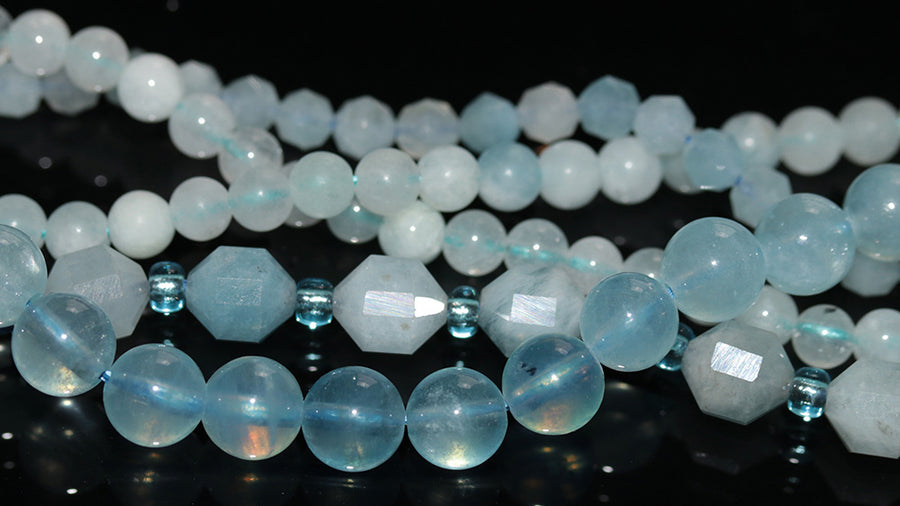
The soft blue of real aquamarine

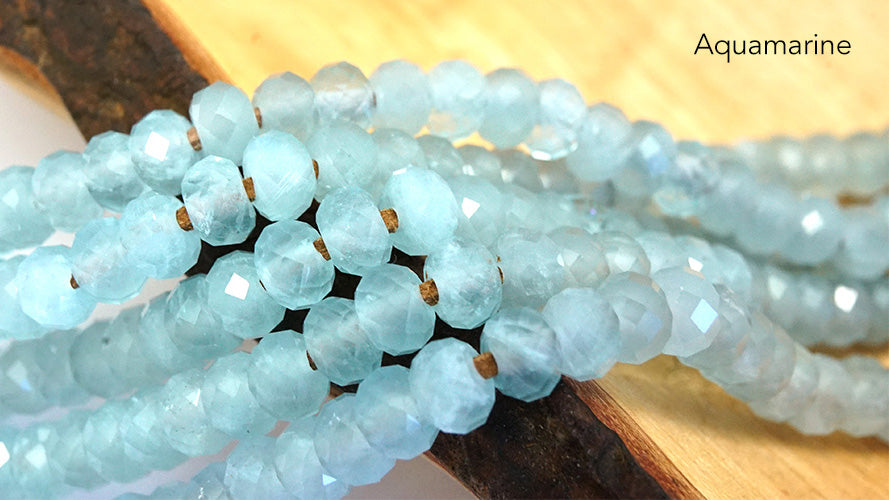
Cut to catch the light
Pairs well with
Pairs with Labradorite
Complete the pairing
Shop Pairs with Labradorite
Choose a size and finish to complete the pairing.
Labradorite 8x10mm Tri Cut Faceted Rondelle - 15-16 Inch
Labradorite is remarkable for the way its aggregate layers refract light, creating iridescent flashes of blue, gold, pale green or copper red. This...
View full detailsLabradorite 10mm Round A Grade - 8-Inch
Labradorite is remarkable for the way its aggregate layers refract light, creating iridescent flashes of blue, gold, pale green or copper red. This...
View full detailsLabradorite 5x7mm Irregular Faceted Rondelle - 15-16 Inch
Labradorite is remarkable for the way its aggregate layers refract light, creating iridescent flashes of blue, gold, pale green or copper red. This...
View full detailsLabradorite Natural 4x6mm Rondelle AAA Grade - 15-16 Inch
Labradorite is remarkable for the way its aggregate layers refract light, creating iridescent flashes of blue, gold, pale green or copper red. This...
View full detailsLabradorite 8mm Round (AAA Grade) - 15-16 inch
Labradorite is remarkable for the way its aggregate layers refract light, creating iridescent flashes of blue, gold, pale green or copper red. This...
View full detailsLabradorite Natural 4X6mm Rondelle Faceted AA Grade - Large Hole Beads
Labradorite is remarkable for the way its aggregate layers refract light, creating iridescent flashes of blue, gold, pale green or copper red. This...
View full detailsLabradorite 5x8mm Chips - 15-16 Inch
Labradorite is remarkable for the way its aggregate layers refract light, creating iridescent flashes of blue, gold, pale green or copper red. This...
View full detailsLabradorite 8mm Round (A) - 8-Inch
Labradorite is remarkable for the way its aggregate layers refract light, creating iridescent flashes of blue, gold, pale green or copper red. This...
View full detailsLabradorite Red Natural 6mm Round - 15-16 Inch
Labradorite is remarkable for the way its aggregate layers refract light, creating iridescent flashes of blue, gold, pale green or copper red. This...
View full detailsFrequently asked questions
-
Is aquamarine usually heated, and does that affect durability?
Most commercial aquamarine on the market is heat-treated to shift the rough's greenish-yellow tones toward the cleaner blue designers expect. The heating is stable, permanent, and doesn't compromise the stone's hardness or wearability — treated material handles the same as untreated. Untreated aquamarine exists but tends to read more pale green-blue. Treatment should be disclosed; ask before buying if it isn't specified. Either way, expect a Mohs 7.5–8 beryl that strings and wears like the rest of the family. -
How does aquamarine compare to emerald, morganite, and tourmaline?
Aquamarine, emerald, and morganite are all beryl — same mineral, different trace elements driving color (iron for aqua, chromium/vanadium for emerald, manganese for morganite). Hardness and care across the three are similar, though emerald is typically fracture-filled and far more fragile in practice. Tourmaline is a separate mineral, often confused with aqua in pale blue-green material but with a different crystal system and slightly lower hardness. In bead form, color and clarity usually tell them apart; the lab distinctions matter more in faceted gem goods. -
What bead sizes and cuts work best for aquamarine projects?
Aquamarine's pale, watery color reads best when light moves through it, which is why faceted rounds, rondelles, and microfaceted rounds are popular in the 2–4mm range for delicate necklaces, layering chains, and bridal work. Smooth rounds in 6–10mm carry more presence for statement strands and earrings where you want the color to read at distance. Pebble and nugget cuts show off natural color zoning and inclusions for organic, one-of-a-kind designs. Cubes and faceted cubes give a more architectural look for modern settings. -
Can I use ultrasonic or steam cleaning on finished aquamarine pieces?
Clean, untreated or simply heat-treated aquamarine generally tolerates ultrasonic and steam cleaning — the stone is hard (7.5–8) and chemically stable. The exception is material with visible fractures or any fracture/resin filling, which can be damaged by thermal shock or vibration. If you're unsure about a particular strand's clarity, stick with warm soapy water and a soft brush. Avoid prolonged exposure to harsh chemicals, and store separately from softer stones to prevent scratching neighbors in a bead box. -
Why do aquamarine strands vary so much in color saturation?
Color in aquamarine depends on iron content and how the rough was treated. Pakistani and Brazilian material can run toward stronger blues, while Mozambique and Madagascar rough often produces softer, paler tones. Within a single strand you may also see zoning — beads cut from different parts of the same crystal can read slightly different. Faceted cuts amplify saturation by bouncing light; smooth rounds read paler at the same color grade. If consistent color matters for a production run, order from a single lot and expect some natural variation strand-to-strand.